Being self-employed does not stop you getting a mortgage – the difference is usually the paperwork.
Why Self-Employed Applications Can Feel Different
The main question for the lender is simple: is the income reliable enough to support the mortgage?
That is not about a lender disliking self-employed work. It is about evidence. An employed borrower may have the same salary every month. A self-employed borrower may have income that rises and falls through the year. The lender may want to see how that income has behaved over time, whether it looks sustainable, and whether the business can still support the borrower after regular costs, tax and other commitments are taken into account. That is why two people earning similar amounts on paper can have very different mortgage outcomes. The structure of the income matters, not just the total.
Accounts, SA302s And Tax Year Overviews
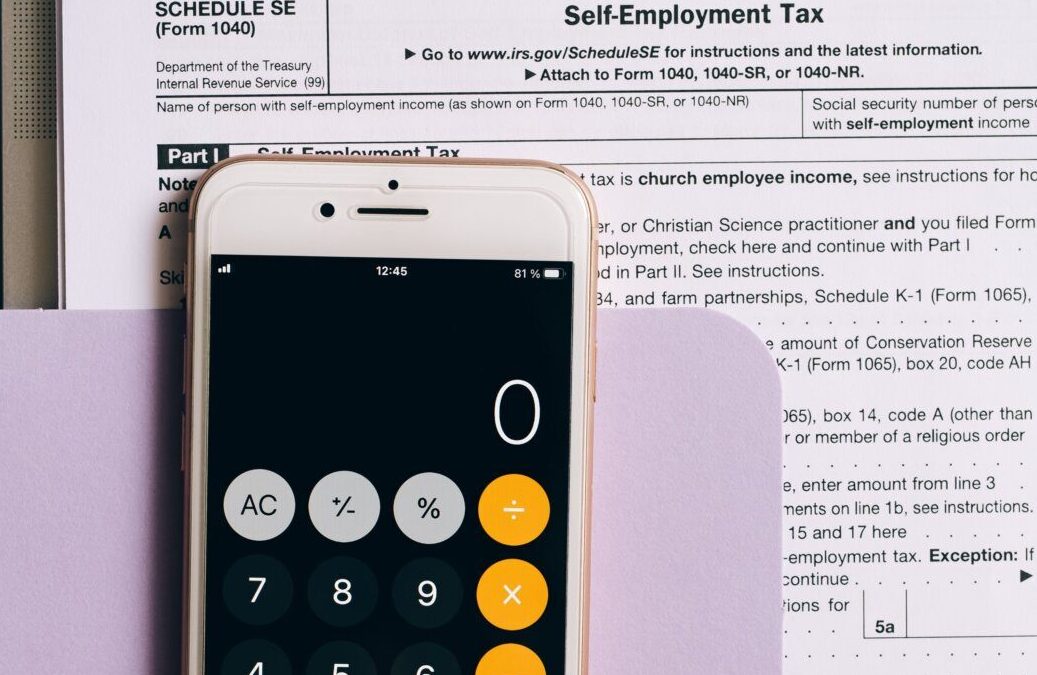
For many self-employed applicants, the starting point is usually accounts and tax documents. A lender may ask for finalised accounts, SA302 tax calculations, tax year overviews, or a combination of these. An SA302 is a tax calculation. It shows the income declared to HMRC for a tax year. A tax year overview shows the tax position linked to that return. Together, they help the lender check that the income being used in the mortgage application matches what has been submitted for tax. This is why it can be useful to get documents organised early. If the latest tax return has not been filed, or figures do not match across documents, it can slow things down.
Sole Traders, Partnerships And Limited Company Directors
Not all self-employed income is assessed in the same way. A sole trader’s income is usually based on profit after allowable business expenses.
For a partner in a business, the lender may look at their share of profit. For a limited company director, things can be more layered. The applicant may take a salary, dividends, or leave profit in the company.
Fluctuating Income
Many self-employed people have strong years and quieter years. Lenders know this, but they will want to understand the pattern.
Some may average income over two or three years. Others may use the latest year if income is rising, or take a more cautious view if income has fallen. If there has been a dip, the reason matters. A one-off maternity break, illness, major investment, change in contract or temporary slowdown may be viewed differently from a business that is steadily declining.
Lenders mainly want to see that the income is real, sustainable and enough to support the mortgage. The more clearly the paperwork shows that, the smoother the process is likely to be. If you are self-employed and thinking about buying or remortgaging, it is worth getting advice early. A conversation before you apply can help you understand what documents may be needed, how your income might be assessed, and which lenders may be better suited to your circumstances.
Source Data
[1] Financial Conduct Authority – FCA Sets Out Plans To Help Build Mortgage Market Of The Future